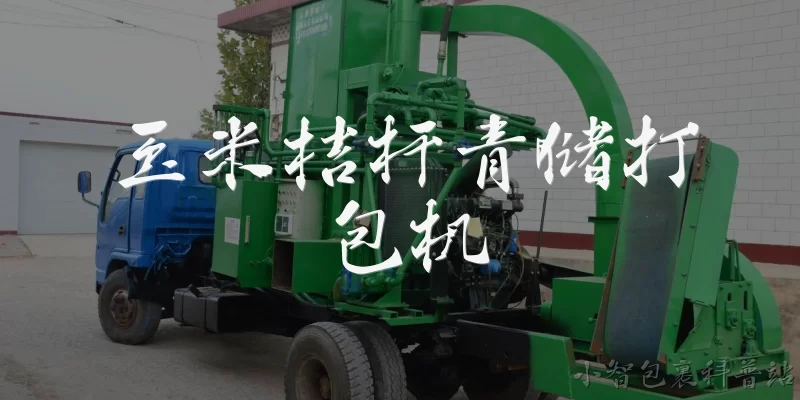
Corn stalk silage baling machine:What is a corn stalk silage baling machine and what is its primary function?
Q: What is a corn stalk silage baling machine and what is its primary function?
A: A corn stalk silage baling machine is agricultural equipment designed to compress and wrap chopped corn stalks into airtight bales for silage fermentation. According to a 2022 report by the Food and Agriculture Organization (FAO) on sustainable crop residue management, such machines typically integrate chopping, compacting, and wrapping stages to produce dense bales that exclude oxygen, thereby promoting anaerobic fermentation. The primary function is to preserve the nutritional value of corn stalks as livestock feed, reducing waste and providing a cost-effective alternative to traditional silage storage methods like bunkers or pits.
Q: What are the key components of a corn stalk silage baling machine and how do they work together?
A: Key components include a pickup unit, chopper, compression chamber, binding or wrapping system, and control panel. The pickup gathers stalks, which are then chopped into 2–5 cm pieces by the chopper. The compression chamber forms dense bales, while the wrapping system applies plastic film to seal them. According to a 2021 technical bulletin from the Chinese Academy of Agricultural Sciences, these components work sequentially to ensure high-density bales (≥450 kg/m³) that facilitate anaerobic fermentation. The control panel monitors density and moisture, ensuring optimal conditions for silage quality.
Q: What are the advantages of using a corn stalk silage baling machine compared to traditional silage storage methods?
A: Advantages include reduced storage space, lower labor costs, and improved feed quality. A 2020 study by the U.S. Department of Agriculture (USDA) on alternative forage systems found that baled silage minimizes dry matter loss (often below 10%) compared to bunker silos, where losses can reach 20%. The airtight wrapping also prevents mold and spoilage. Additionally, bales can be easily transported and sold, offering farmers flexibility. This method supports sustainable agriculture by utilizing crop residues that would otherwise be burned or wasted, as noted in FAO's 2022 report.
Q: What maintenance practices are recommended for corn stalk silage baling machines to ensure optimal performance?
A: Regular maintenance includes daily cleaning of the pickup and chopper to prevent residue buildup, lubrication of moving parts (e.g., bearings and chains) every 50 hours of operation, and inspection of the wrapping system for film tension. According to a 2023 operator's manual from a leading manufacturer (e.g., Kuhn), blades should be sharpened or replaced every 100 hours to maintain chop quality. Additionally, hydraulic systems require periodic oil checks. The USDA's 2020 report emphasizes that proper maintenance extends machine lifespan and ensures consistent bale density, which is critical for fermentation.
Q: What factors influence the efficiency and output quality of a corn stalk silage baling machine?
A: Key factors include moisture content of stalks (optimal 60–70%), chop length (2–5 cm), machine settings (compression pressure and wrapping layers), and operator skill. A 2021 study by the Chinese Academy of Agricultural Sciences found that moisture above 75% leads to poor fermentation, while below 55% increases mold risk. Chop length affects density and palatability. Machine settings, such as pressure (≥150 bar) and wrapping layers (≥4), ensure airtight conditions. Operator training is crucial for consistent output. These factors collectively determine silage quality and machine throughput.
Dialogue about
Common scenarios of "Corn stalk silage baling machine"
【Farmer】 Hey, I've been thinking about getting a corn stalk silage baling machine. I heard it can save a lot of labor. Is that true?
【Dealer】 Absolutely! A silage baling machine compresses and wraps chopped corn stalks into airtight bales, which ferment into high-quality feed. It reduces manual labor by over 70% compared to traditional silage pits.
【Farmer】 That sounds impressive. But what about the cost? I have a small farm, maybe 50 cattle.
【Dealer】 For 50 cattle, a mid-size baler like the 9YF-2.2 would be ideal. It costs around $15,000 to $25,000, but you can also rent or hire a custom operator. The payback period is usually 2-3 years from labor savings and better feed quality.
【Farmer】 I see. What's the moisture content required for the stalks?
【Dealer】 Ideally 60-70% moisture. If too dry, add water; if too wet, let it wilt. The machine works best when stalks are chopped to 2-3 cm lengths.
【Farmer】 Do I need a tractor to pull it?
【Dealer】 Yes, most models require a tractor with at least 50 HP for the PTO drive. Some self-propelled models exist but are much more expensive.
【Farmer】 How many bales can it produce per hour?
【Dealer】 A typical round baler can make 20-30 bales per hour, each weighing 50-80 kg. That's about 1-1.5 tons of silage per hour.
【Farmer】 What about storage? Do I need a special place?
【Dealer】 No special building needed. The wrapped bales can be stacked outdoors on a well-drained surface. They stay good for 12-18 months if the wrap is intact.
【Farmer】 What kind of maintenance does it require?
【Dealer】 Daily greasing of bearings, checking chain tension, and replacing wrap film rolls. Annual servicing of the gearbox and hydraulic system is recommended.
【Farmer】 Can it handle other crops like alfalfa or wheat straw?
【Dealer】 Yes, with adjustments it can bale hay, straw, and other forages. But for silage, you need the wrapping attachment.
【Farmer】 Are there any safety concerns I should know about?
【Dealer】 Definitely. Never reach into the bale chamber while running. Keep PTO shields in place. Wear tight clothing to avoid entanglement. Always turn off the tractor before clearing jams.
【Farmer】 What brands do you recommend?
【Dealer】 Popular ones include Vermeer, John Deere, New Holland, and Chinese brands like Yulong and Shuangfeng. For small farms, Chinese models offer good value.
【Farmer】 I'm a bit worried about plastic waste from the wrap.
【Dealer】 That's a valid concern. Use UV-stabilized film and recycle used wrap where possible. Some biodegradable wraps are emerging but cost more.
【Farmer】 Can I use the silage for dairy cows?
【Dealer】 Yes, corn stalk silage is excellent for dairy. It's palatable and has good energy content. Just ensure proper fermentation to avoid mold.
【Farmer】 How long does fermentation take?
【Dealer】 About 3-4 weeks in warm weather, 6-8 weeks in cold. You'll know it's ready when it smells slightly acidic and sweet, not rancid.
【Farmer】 What if I don't have a wrapper? Can I just bale and store in a pit?
【Dealer】 You can, but you'll lose more nutrients and need a bunker silo. Wrapped bales are more convenient for feeding and selling.
【Farmer】 Thanks, I think I'll start with renting a machine this season.
【Dealer】 Smart move! Many local cooperatives offer rental services. I can connect you with one. Let me know if you need a demo.