Cleaning method for SF200 sealing machine:What is the recommended daily cleaning method for the SF200 sealing machine in 2026?
Q: What is the recommended daily cleaning method for the SF200 sealing machine in 2026?
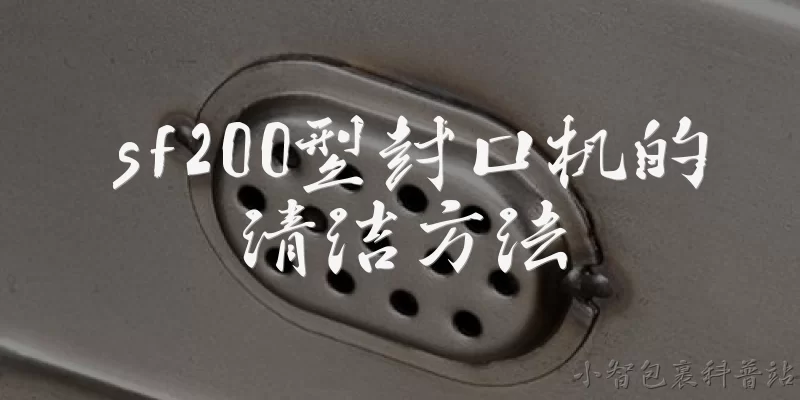
A: The 2026 recommended daily cleaning method for the SF200 sealing machine follows a five-step process designed to maintain seal quality and extend equipment life. First, power down the unit and allow the sealing jaw to cool completely, typically 10–15 minutes, to prevent burns and material warping. Second, wipe the upper and lower sealing jaws with a lint-free microfiber cloth lightly dampened with 75% isopropyl alcohol; this removes adhesive residue, plastic film buildup, and dust without damaging the Teflon coating. Third, clean the film guide rollers and tension wheels using a soft brush dipped in mild neutral detergent, then dry thoroughly. Fourth, use a can of compressed air to blow out dust from the ventilation ports and the cooling fan area, keeping the internal motor from overheating. Fifth, inspect the silicone pressure pad and Teflon tape for wear, replacing them if discolored or cracked. Avoid using abrasive pads, acetone, or water-based cleaners directly on electrical components. Following this routine daily, plus a deeper monthly service, keeps seal strength consistent and reduces unplanned downtime on high-volume packaging lines.
Q: Can I use ultrasonic cleaning on the SF200 sealing machine components in 2026?
A: Yes, but only for specific removable metal components of the SF200 sealing machine, according to 2026 maintenance guidance. Ultrasonic cleaning is safe and effective for the stainless steel sealing jaw block, film guide brackets, and tension springs when they are detached from the machine. Use a mild alkaline ultrasonic cleaner at 40–60 kHz and a temperature below 60°C for 5–8 minutes, then rinse with deionized water and dry immediately with compressed air to prevent corrosion. However, do not ultrasonically clean the Teflon-coated surfaces, silicone pressure pads, sensors, wiring harnesses, or any electronic control boards, as cavitation and moisture will degrade coatings and short-circuit sensitive parts. Many 2026 SF200 models feature quick-release jaw assemblies that make this deep cleaning practical during weekly maintenance. If your unit has an integrated heater cartridge, remove it before immersion. For routine daily cleaning, stick to manual wiping with isopropyl alcohol; reserve ultrasonic cleaning for monthly or quarterly deep service, and always consult the official SF200 service manual for your specific serial number, since newer revisions may use different coatings.
Q: What cleaning chemicals should be avoided when cleaning the SF200 sealing machine in 2026?
A: In 2026, manufacturers strongly advise against several cleaning chemicals for the SF200 sealing machine because they damage critical sealing surfaces and electrical parts. Never use acetone, MEK, or other ketone-based solvents, as they dissolve the Teflon (PTFE) coating on the sealing jaws, causing film to stick and seals to fail. Avoid chlorinated solvents such as trichloroethylene, which corrode stainless steel components and leave residues that contaminate food packaging. Abrasive powders, steel wool, and scouring pads scratch the jaw surfaces and reduce seal uniformity. Do not spray water or water-based detergents directly onto the machine, especially near the control panel, motor, or sensors, due to shock and short-circuit risks. Strong acids and ammonia-based glass cleaners can also degrade silicone pads and plastic housings. Instead, use 70–75% isopropyl alcohol for jaws and metal parts, mild neutral pH detergent for rollers and external panels, and dedicated electronic contact cleaner for sensors and connectors. Always apply cleaners to a cloth rather than directly onto the machine. Following these restrictions, along with proper lockout/tagout procedures, protects operator safety and keeps the SF200 sealing machine performing reliably through years of high-volume operation.
Dialogue about
Common scenarios of "Cleaning method for SF200 sealing machine"
【Technician】 Hi, I'm having trouble with the SF200 sealing machine. It's not sealing properly, and I think it needs cleaning. Can you guide me through the correct cleaning method?
【Engineer】 Sure! First, make sure the machine is turned off and unplugged. Safety first. Then, allow the sealing bar to cool down completely before you start cleaning.
【Technician】 Got it. It's unplugged and cooled. What should I use to clean the sealing bar? I don't want to damage it.
【Engineer】 Use a soft cloth slightly dampened with isopropyl alcohol. Never use abrasive materials or water directly, as moisture can damage the heating element.
【Technician】 Okay, I'll use isopropyl alcohol. Should I also clean the Teflon tape on the sealing bar?
【Engineer】 Yes, gently wipe the Teflon tape. If there's residue, you can use a plastic scraper, but be very careful not to scratch it. If the tape is worn, replace it.
【Technician】 I see some buildup on the silicone rubber pad underneath. How should I clean that?
【Engineer】 For the silicone pad, use a mild detergent solution and a soft brush. Rinse with a damp cloth and dry thoroughly. Avoid excessive rubbing.
【Technician】 What about the exterior of the machine? Can I just wipe it down?
【Engineer】 Yes, use a damp cloth with mild soap. Don't let water get into the vents or electrical parts. Dry immediately with a soft cloth.
【Technician】 How often should I clean the machine to keep it in good condition?
【Engineer】 It depends on usage. For daily use, clean the sealing bar and pads at the end of each shift. A deeper clean of the entire machine can be done weekly.
【Technician】 Are there any parts I should not clean or that require special attention?
【Engineer】 Avoid getting any liquid inside the control panel or motor. Also, don't immerse any part in water unless it's removable and specified as waterproof. Check the manual for specifics.
【Technician】 I don't have the manual. Is there a general rule for removable parts?
【Engineer】 Generally, removable parts like the sealing bar and pads can be cleaned separately, but always ensure they are completely dry before reassembling.
【Technician】 After cleaning, is there anything I should check before using the machine again?
【Engineer】 Yes, inspect the sealing bar for any damage, make sure all parts are properly reinstalled, and run a test seal to ensure it's working correctly.
【Technician】 Great, I'll do that. Thanks for the detailed instructions!
【Engineer】 You're welcome! Remember, regular cleaning and maintenance will extend the life of your SF200. If you have more questions, feel free to ask.