Components of Automatic Filling Machines:What are the main components of an automatic filling machine?
Q: What are the main components of an automatic filling machine?
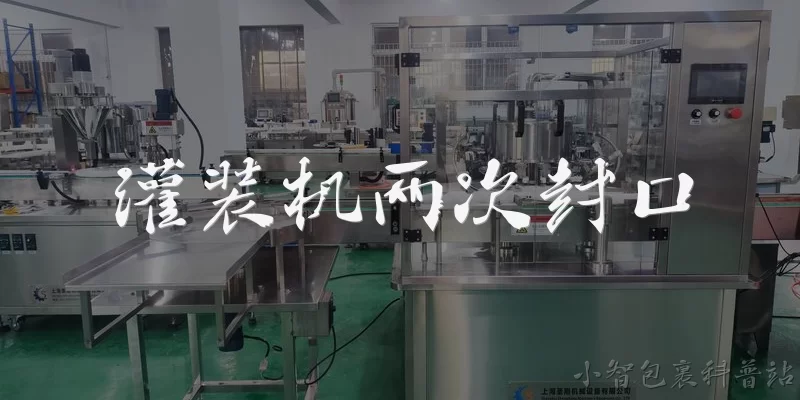
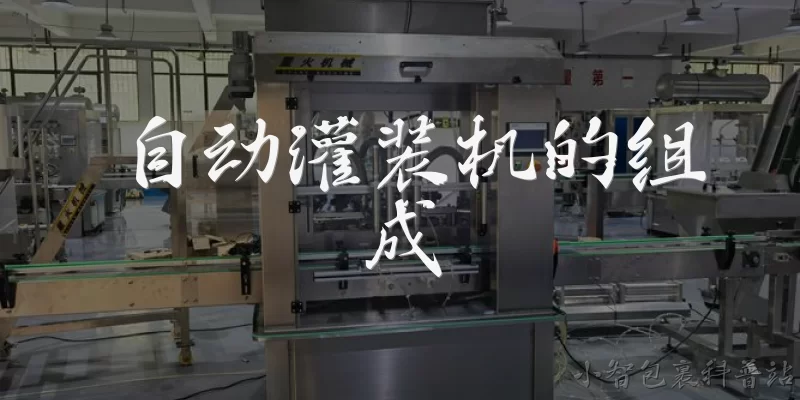
A: The main components of an automatic filling machine include the hopper, filling nozzle, conveyor system, control panel, and drive mechanism. The hopper stores the product to be filled, while the filling nozzle dispenses it into containers. The conveyor system moves containers to and from the filling station. The control panel, often PLC-based, manages speed, volume, and timing. The drive mechanism, which can be pneumatic, electric, or hydraulic, powers the filling process. Additionally, sensors and valves ensure precise filling. These components work together to achieve high-speed, accurate, and consistent filling for various industries such as food, pharmaceutical, and chemical.
Q: How does the filling nozzle contribute to the operation of an automatic filling machine?
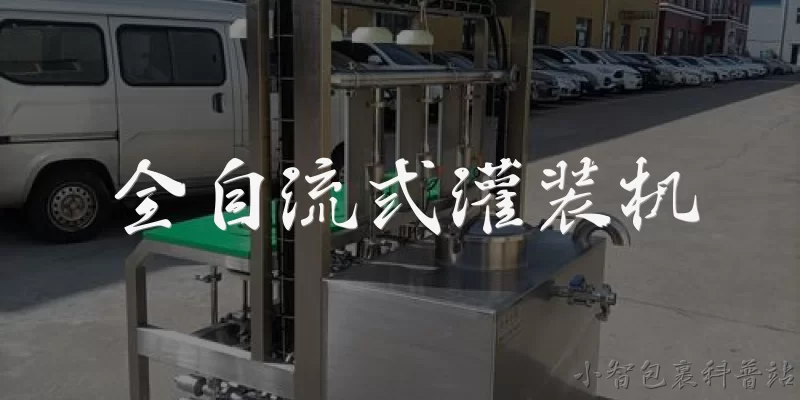
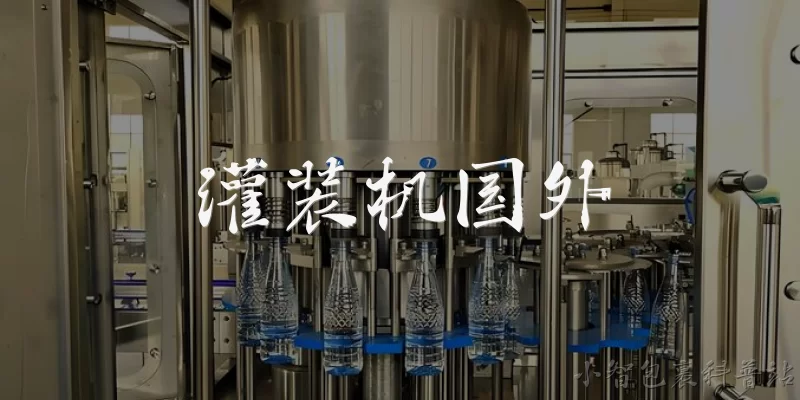
A: The filling nozzle is a critical component that directly controls the flow and accuracy of the product into containers. It comes in various designs, such as piston, gravity, or pressure nozzles, depending on the product's viscosity and the required fill volume. The nozzle opens and closes rapidly to dispense precise amounts, often aided by a valve system. Anti-drip mechanisms prevent product waste and contamination. Nozzles can be single or multiple, allowing simultaneous filling of several containers to boost throughput. Proper nozzle selection and maintenance are essential for consistent fill quality and minimizing downtime in automatic filling operations.
Q: What role does the control panel play in an automatic filling machine?
A: The control panel serves as the brain of an automatic filling machine, enabling operators to set and monitor all critical parameters. It typically includes a PLC, touchscreen interface, and various buttons or switches. Through the panel, users can adjust fill volume, speed, and timing, as well as switch between different recipes. It also displays real-time data such as production counts and error messages. Advanced panels offer networking capabilities for integration with other systems. By automating adjustments and providing diagnostics, the control panel ensures consistent filling accuracy and reduces the need for manual intervention, enhancing overall efficiency and reliability.
Q: Why is the conveyor system important in an automatic filling machine?
A: The conveyor system is vital for automating the movement of containers through the filling process. It transports empty containers to the filling station, positions them accurately under the nozzles, and then moves filled containers away for sealing or labeling. Conveyors can be belt, roller, or chain types, chosen based on container shape and weight. Speed synchronization with the filling mechanism ensures smooth operation and prevents spills or jams. Some systems include accumulation tables or star wheels for precise indexing. Without a reliable conveyor, the filling machine cannot achieve continuous, high-speed production, making it a key component for efficiency and throughput.
Words of experience
Common scenarios of "Components of Automatic Filling Machines"
【Engineer】 Hey, I'm working on designing an automatic filling machine for a new production line. Can you help me understand the main components?
【Technician】 Sure! The key components include the hopper, filling nozzles, conveyor system, control system, and sensors. Which part are you most interested in?
【Engineer】 I'm particularly curious about the filling nozzles. What types are commonly used?
【Technician】 There are several types: gravity fillers, piston fillers, pump fillers, and flow meters. The choice depends on the product viscosity and accuracy requirements.
【Engineer】 Our product is a thick sauce. Which nozzle would you recommend?
【Technician】 For thick sauces, a piston filler or a progressive cavity pump filler is ideal. They handle high viscosity well and provide accurate fills.
【Engineer】 What about the hopper? Any special considerations for viscous products?
【Technician】 Yes, the hopper should have agitation to keep the product moving and prevent settling. Also, it should be heated if the sauce needs to stay warm.
【Engineer】 Got it. Now, how does the conveyor system integrate with the filling process?
【Technician】 The conveyor moves containers under the nozzles at a precise speed. It often uses indexing to stop containers exactly at the fill station.
【Engineer】 What kind of sensors are typically used for container detection and fill level monitoring?
【Technician】 Photoelectric sensors detect container presence, while load cells or flow meters monitor fill levels. Some systems use vision systems for quality checks.
【Engineer】 How about the control system? Is PLC the standard?
【Technician】 Yes, PLCs are common, often with a touchscreen HMI for operator interface. They control the entire sequence, from container infeed to capping.
【Engineer】 What about cleaning and maintenance? Any components that need special attention?
【Technician】 The filling nozzles and product lines require regular cleaning, especially for food products. Many machines have CIP (Clean-In-Place) systems.
【Engineer】 CIP is important for us. Can you explain how CIP integrates with the filling machine?
【Technician】 CIP systems flush cleaning solutions through the product path. The filling machine must have sanitary fittings and valves to allow cleaning without disassembly.
【Engineer】 That makes sense. Are there any other critical components I should consider?
【Technician】 Don't forget the capping station, labeler, and accumulation table. They ensure a complete packaging line. Also, consider a checkweigher for quality control.