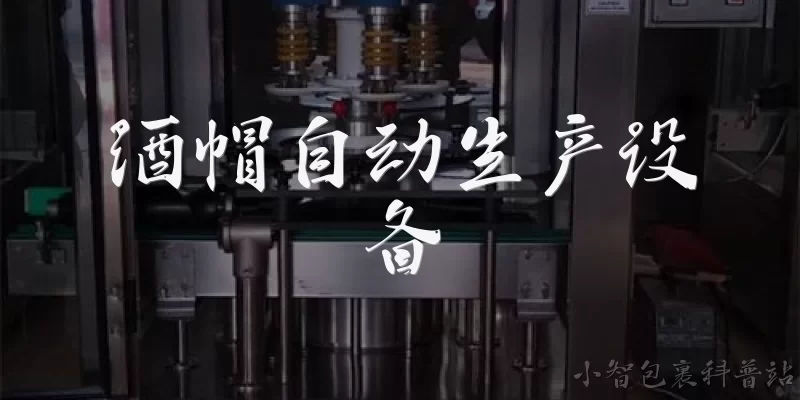
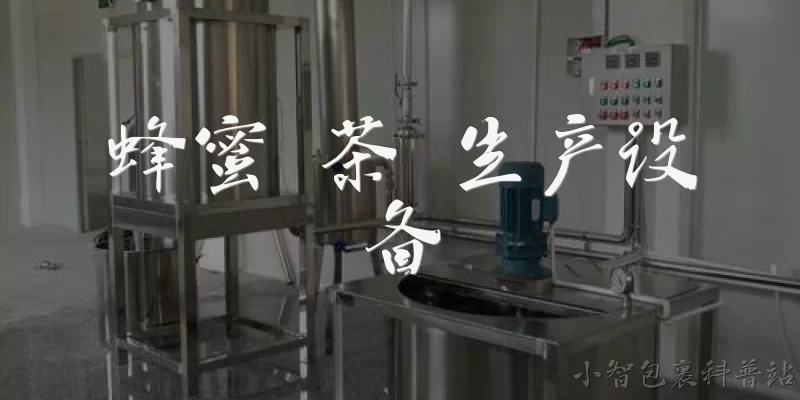
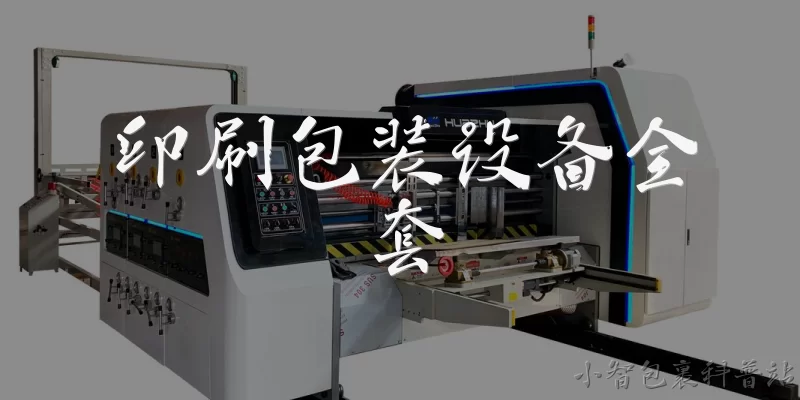
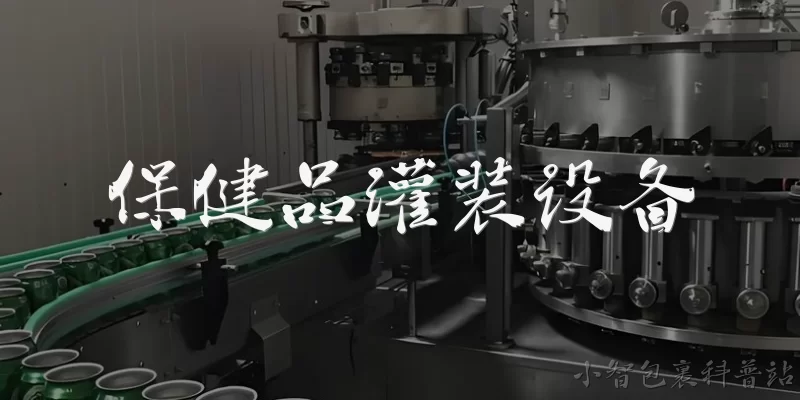
Health supplement filling equipment:What is health supplement filling equipment?
Q: What is health supplement filling equipment?
A: Health supplement filling equipment refers to specialized machinery used to fill containers such as bottles, capsules, or pouches with nutritional supplements like powders, liquids, or softgels. These machines ensure precise dosing, prevent contamination, and maintain product integrity. Common types include auger fillers for powders, piston fillers for liquids, and capsule filling machines. They are essential in nutraceutical manufacturing for achieving consistent fill weights, complying with regulatory standards, and maximizing production efficiency. Advanced models offer automation, real-time monitoring, and quick changeover between product formats, making them vital for large-scale supplement production.
Q: How does a powder filling machine work for health supplements?
A: A powder filling machine for health supplements typically uses an auger or volumetric filling system. The product is stored in a hopper, and a rotating auger screw measures and dispenses a precise volume of powder into containers. The fill weight is controlled by the auger's speed and rotation time. Some machines use a vacuum or gravity system. After filling, containers are weighed and sealed. Advanced models include servo motors for high accuracy, dust extraction systems to minimize waste, and integration with checkweighers to ensure each bottle meets label claims. These machines handle various powder densities and flow characteristics common in supplement blends.
Q: What are the key factors to consider when choosing supplement filling equipment?
A: When selecting supplement filling equipment, consider product type (powder, liquid, capsule), production speed, fill accuracy, and container size. Regulatory compliance (e.g., cGMP, FDA) is crucial for hygiene and documentation. Ease of cleaning and changeover reduces downtime. Automation level should match your throughput and budget. Also evaluate material compatibility (stainless steel for contact parts), dust or spill control, and integration with existing lines. Vendor support and spare parts availability matter for long-term reliability. Finally, assess total cost of ownership, including maintenance and training. A trial run with your actual product is recommended to verify performance.
Q: What are the maintenance requirements for health supplement filling equipment?
A: Regular maintenance is critical for health supplement filling equipment to ensure accuracy, prevent contamination, and extend lifespan. Daily tasks include cleaning contact parts, checking for wear on augers or nozzles, and verifying fill weights. Weekly: lubricate moving parts, inspect seals and gaskets, and calibrate scales. Monthly: deep clean hoppers and conveyors, check electrical connections, and replace filters. Annually: professional servicing of motors, sensors, and control systems. Always follow the manufacturer's manual and keep logs for regulatory audits. Using food-grade lubricants and avoiding harsh chemicals preserves equipment integrity. Training operators on proper cleaning and minor repairs reduces downtime.
Q: What are the latest trends in health supplement filling equipment?
A: Latest trends in health supplement filling equipment focus on automation, flexibility, and data integration. Robotics and AI enable precise filling with minimal human intervention, reducing errors. Modular designs allow quick changeover between capsules, powders, and liquids on the same line. Industry 4.0 features include IoT sensors for real-time monitoring, predictive maintenance, and remote diagnostics. Sustainability drives energy-efficient motors and recyclable packaging compatibility. Additionally, machines are being designed for smaller batch sizes to support personalized nutrition and contract manufacturing. Compliance with stricter regulations (e.g., FSMA) is pushing advanced track-and-trace capabilities. Overall, the goal is higher throughput, lower waste, and greater adaptability to market demands.
Dialogue about
Common scenarios of "Health supplement filling equipment"
【Sales Manager】 Good morning, Dr. Chen. Thank you for taking the time to meet with us. I understand your facility is looking to upgrade its supplement filling equipment?
【Production Director】 Yes, that's right. Our current line is outdated and we're facing frequent downtime. We need a more reliable and efficient solution to meet increasing demand.
【Sales Manager】 I see. Could you share more about your current production capacity and the specific issues you're encountering?
【Production Director】 We produce about 10,000 bottles per day, but we aim to double that. The main problems are inconsistent fill volumes and frequent mechanical failures, especially with the capping station.
【Sales Manager】 Understood. Our latest model, the SF-2000, is designed for high-speed filling with accuracy within ±0.5%. It also features a robust capping system with minimal maintenance. Would you like to see a demo?
【Production Director】 That sounds promising. What about changeover times? We produce various bottle sizes and supplements, so flexibility is crucial.
【Sales Manager】 The SF-2000 uses quick-change tooling and a touchscreen interface with pre-set recipes. Changeover can be done in under 15 minutes, compared to the typical 45 minutes on older machines.
【Production Director】 Impressive. How does it handle different product types, like powders, liquids, and softgels?
【Sales Manager】 It's versatile. We offer interchangeable filling heads: auger for powders, piston for liquids, and a counting system for softgels. The change is tool-free and can be done quickly.
【Production Director】 What about cleaning and sanitation? We need to comply with strict GMP standards.
【Sales Manager】 Absolutely. The SF-2000 is designed for easy cleaning with stainless steel construction and tool-free disassembly. It also has an optional CIP (Clean-in-Place) system. We meet all relevant GMP and FDA requirements.
【Production Director】 That's good to hear. Can you provide references from other supplement manufacturers using this model?
【Sales Manager】 Certainly. We have several clients in the nutraceutical industry, including VitaCore and Nature's Best. I can arrange for you to speak with their production managers.
【Production Director】 Great. What's the lead time for delivery and installation?
【Sales Manager】 Typically, it's 8-10 weeks from order to delivery, and installation and training take about a week. We also offer ongoing support and a 2-year warranty.
【Production Director】 What about the cost? We have a budget in mind, but we need to justify the investment.
【Sales Manager】 The base price is $150,000, but we can customize based on your specific needs. We also offer financing options and a ROI analysis to show potential savings from increased efficiency and reduced downtime.
【Production Director】 That ROI analysis would be helpful. Can you also include energy consumption data? We're trying to reduce our carbon footprint.
【Sales Manager】 Of course. The SF-2000 is energy-efficient, with a variable frequency drive and optimized motors. It consumes about 20% less power than comparable models. I'll include that in the analysis.
【Production Director】 Excellent. Let's schedule a demo at our facility next week. I'll have my team there to evaluate it thoroughly.
【Sales Manager】 Perfect. I'll coordinate with your team and bring a unit for a live demonstration. Thank you for considering our solution, Dr. Chen. We look forward to helping you achieve your production goals.