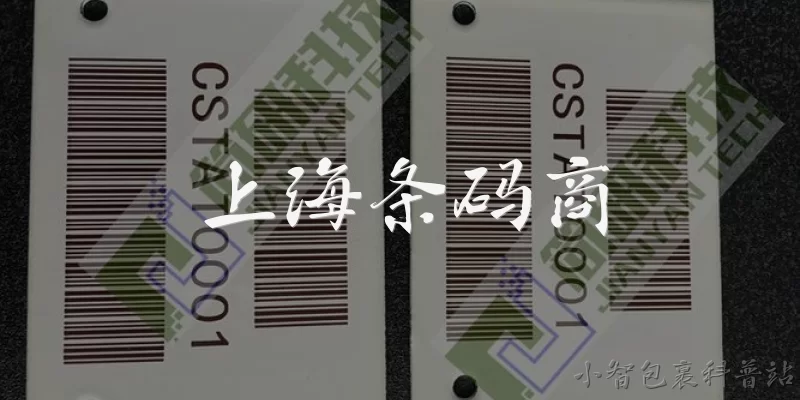
Uses of barcode printers:What are the most common uses of barcode printers in retail and inventory management?
Q: What are the most common uses of barcode printers in retail and inventory management?
A: Barcode printers are essential in retail and inventory management because they produce durable, scannable labels that streamline operations and reduce human error. In retail, they are used to print price tags, shelf labels, and product identification stickers that allow cashiers to scan items quickly and update inventory in real time. Inventory managers rely on barcode printers to create asset tags, bin labels, and stock-keeping unit (SKU) labels that make cycle counting and stock audits far faster and more accurate. Because barcode printers, especially thermal models, produce crisp, high-contrast labels that remain legible even in busy warehouse environments, they help prevent mislabeling and lost stock. They also support integration with point-of-sale and inventory software, enabling automatic label generation when new products arrive or prices change. This connectivity means staff can print labels on demand rather than ordering pre-printed stickers, which reduces waste and lead time. Overall, barcode printers improve accuracy, speed, and traceability across retail and inventory workflows.
Q: How are barcode printers used in logistics and shipping operations?
A: In logistics and shipping, barcode printers are used to generate shipping labels, tracking labels, packing slips, and pallet or carton identification labels that keep goods moving efficiently. When a parcel is prepared, the printer produces a scannable label containing tracking numbers, routing codes, and destination details, which carriers scan at each checkpoint for real-time visibility. Warehouses also use barcode printers to label pallets, shelves, and containers so staff can locate and verify items during picking and put-away. Thermal barcode printers are particularly valued here because they print quickly, handle high volumes, and produce labels that withstand handling and varying temperatures. Many barcode printers connect directly to warehouse management systems (WMS) and shipping software, so labels are generated automatically as orders are processed, reducing manual data entry and mis-shipments. Some models support different label materials, including synthetic stock for outdoor or cold-chain use. By enabling fast, accurate labeling at every stage of the supply chain, barcode printers help logistics teams reduce errors, speed up dispatch, and maintain end-to-end traceability.
Q: What are the uses of barcode printers in healthcare and manufacturing?
A: In healthcare, barcode printers are used to create patient wristbands, specimen labels, medication labels, and asset tags that support patient safety and accurate record-keeping. A wristband printed with a unique barcode lets staff scan and verify patient identity before administering medication or procedures, reducing errors. Specimen labels ensure samples are tracked correctly through labs, while equipment tags help manage maintenance and inventory. In manufacturing, barcode printers produce part labels, work-in-progress tags, serial number labels, and shipping labels that support production tracking and quality control. Workers scan barcodes at each production stage to record progress, trace components, and meet regulatory compliance requirements. Both sectors favor industrial or thermal barcode printers because they offer durability, high print speed, and compatibility with label materials suited to harsh conditions, such as chemical-resistant or temperature-tolerant stock. Integration with enterprise systems allows automatic label generation, which reduces manual errors and keeps records consistent. Together, these uses improve traceability, compliance, and operational efficiency in safety-critical environments.
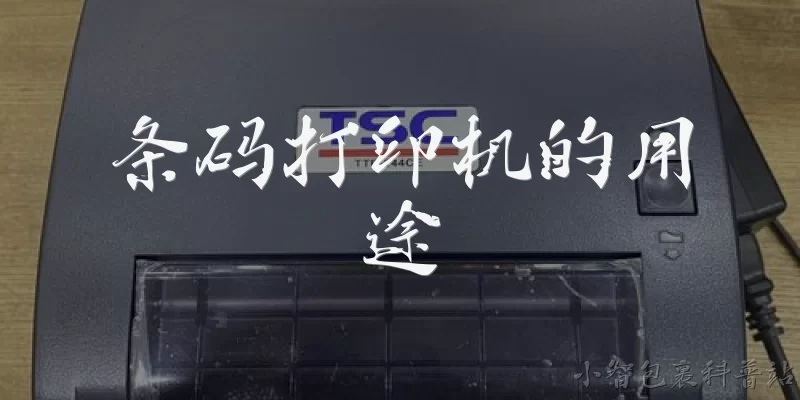
Words of experience
Common scenarios of "Uses of barcode printers"
【Sales Representative】 Good morning! I understand you're interested in learning about barcode printers. How can I help you today?
【Customer】 Good morning. Yes, I'm exploring barcode printers for my retail business. Can you tell me what they're typically used for?
【Sales Representative】 Absolutely. Barcode printers are used to print labels with barcodes for product identification, inventory tracking, and pricing. In retail, they help streamline checkout and stock management.
【Customer】 That sounds useful. Are there different types of barcode printers?
【Sales Representative】 Yes, there are two main types: direct thermal and thermal transfer. Direct thermal printers use heat-sensitive paper, while thermal transfer printers use ribbon for more durable labels.
【Customer】 Which one would you recommend for a small retail store?
【Sales Representative】 For a small retail store, a direct thermal printer is often sufficient and cost-effective, especially for short-term labels like receipts or temporary price tags.
【Customer】 What about durability? I need labels that last on products.
【Sales Representative】 In that case, thermal transfer printers are better because the labels are more resistant to heat, moisture, and abrasion, making them suitable for long-term use.
【Customer】 Can barcode printers also print other information, like product names and prices?
【Sales Representative】 Yes, they can print text, numbers, and even simple graphics alongside barcodes, so you can include product names, prices, and other details on the same label.
【Customer】 That's convenient. Are they easy to integrate with existing point-of-sale systems?
【Sales Representative】 Most modern barcode printers come with USB, Ethernet, or wireless connectivity and support standard printer languages, so integration with POS systems is usually straightforward.
【Customer】 What about maintenance? Do they require special supplies?
【Sales Representative】 They need compatible label rolls and, for thermal transfer, ribbons. Regular cleaning of the printhead is recommended to maintain print quality and extend the printer's life.
【Customer】 Are there any other uses beyond retail?
【Sales Representative】 Definitely. Barcode printers are widely used in logistics for shipping labels, in healthcare for patient wristbands, in manufacturing for part tracking, and in event management for ticketing.
【Customer】 I see. So they're quite versatile. What should I consider when choosing a model?
【Sales Representative】 Consider your print volume, label size, connectivity needs, and budget. Also think about whether you need direct thermal or thermal transfer, and if you require portable or desktop models.
【Customer】 Thank you for the detailed information. I'll discuss with my team and get back to you.
【Sales Representative】 You're welcome! Feel free to reach out if you have more questions. Have a great day!