Label bubbling after application:What is label bubbling after application and why does it occur?
Q: What is label bubbling after application and why does it occur?
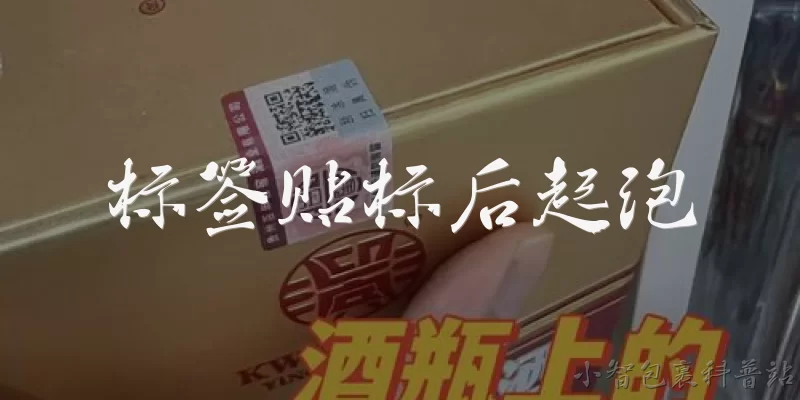
A: Label bubbling after application refers to the formation of air pockets or blisters beneath a label's adhesive surface shortly after it has been stuck onto a container or product. This issue commonly occurs due to trapped air during the application process, especially when labels are applied manually or at high speeds. Other causes include insufficient pressure during application, uneven surfaces, moisture on the substrate, or adhesive that does not allow air to escape. Temperature and humidity changes after application can also cause the label material to expand or contract, forcing trapped air to form visible bubbles. Understanding the root cause is essential for selecting the right label material, adhesive, and application method to prevent bubbling and ensure a smooth, professional finish.
Q: How can you prevent label bubbling after application?
A: To prevent label bubbling after application, start by ensuring the substrate surface is clean, dry, and free of dust or oil. Use a label with a pressure-sensitive adhesive designed to allow air escape, such as a micro-channel or textured adhesive. Apply labels with a consistent, even pressure using a squeegee or a label applicator machine rather than by hand. Control the environment: avoid applying labels in extreme temperatures or high humidity. If applying by hand, start from the center and work outward to push air to the edges. For large labels, consider using a roller to press firmly. Finally, allow the label to set for 24 hours before exposing it to harsh conditions. These steps significantly reduce the risk of bubbling.
Q: What are the best label materials and adhesives to avoid bubbling after application?
A: To avoid bubbling, choose label materials and adhesives that facilitate air escape and conform well to surfaces. Film labels like BOPP or PET with a micro-channel adhesive are excellent because their structured adhesive pattern allows trapped air to dissipate. For paper labels, a textured or embossed surface can help, but they are less effective on curved or flexible containers. Adhesives such as acrylic-based pressure-sensitive adhesives with high initial tack and good wet-out properties work well. Avoid solvent-based adhesives that may trap air. Also, consider the container material: for plastic bottles, use a flexible label that can expand with the bottle. For metal or glass, a standard permanent adhesive is usually fine. Always test a sample before full production to ensure compatibility.
Q: Can label bubbling after application be fixed, and how?
A: Yes, label bubbling after application can often be fixed, depending on the severity and material. For small bubbles, use a fine needle to prick the bubble and then press the label down firmly with a squeegee or your thumb to release the air. For larger bubbles, you may need to lift a corner of the label and reapply it, but this risks damaging the label or adhesive. Another method is to apply gentle heat with a hairdryer to soften the adhesive and then smooth the bubble out. However, if the bubbling is extensive or caused by a reactive adhesive, it may be better to remove and replace the label. Prevention is always preferable, but these remedies can salvage a batch if the issue is caught early.
Words of experience
Common scenarios of "Label bubbling after application"
【User】 Hey, I applied a screen protector to my phone yesterday, and now I see these tiny bubbles under the screen. Is that normal?
【Expert】 Yes, it's quite common to see small bubbles right after applying a screen protector. They often appear because of trapped air or dust particles. Usually, they will disappear on their own within a few days as the adhesive settles.
【User】 Oh, good. But some of them are near the edges and look a bit bigger. Should I try to push them out?
【Expert】 You can gently push them toward the edge with a soft cloth or a credit card wrapped in cloth. But be careful not to lift the protector. If they don't move, it might be dust trapped underneath.
【User】 I tried pushing one, but it didn't budge. How can I tell if it's dust?
【Expert】 If the bubble is hard and doesn't move when you apply pressure, it's likely a dust particle. You might need to lift the protector slightly, remove the dust with tape, and reapply.
【User】 That sounds risky. Will lifting it ruin the adhesive?
【Expert】 It can weaken the adhesive, but if you're careful and use a piece of tape to lift just a corner, you can usually reapply it without major issues. Just make sure the surface is clean before re-sticking.
【User】 Okay, I'll try that. But what if I leave the bubbles there? Will they cause any problems?
【Expert】 Small bubbles usually don't affect functionality, but they can be annoying visually. Over time, they might collect dust or moisture, which could lead to larger issues. It's best to address them early.
【User】 I see. Is there a way to prevent bubbles from forming in the first place?
【Expert】 Yes, always apply the protector in a dust-free environment, like a bathroom after a shower. Clean the screen thoroughly, use a dust removal sticker, and align the protector carefully before pressing down.
【User】 I did clean the screen, but maybe I didn't remove all the dust. Can I use compressed air?
【Expert】 Compressed air can help, but be careful not to blow dust back onto the screen. It's better to use a lint-free cloth and a dust sticker. Also, avoid touching the adhesive side of the protector.
【User】 Got it. What about bubbles that appear after a few days? I've heard they can show up later.
【Expert】 Those are often due to moisture or the adhesive curing unevenly. They might disappear as the adhesive settles, but if they persist or grow, you might need to replace the protector.
【User】 Alright. I'll keep an eye on them. Thanks for the advice!
【Expert】 You're welcome! If you have any more questions, feel free to ask. Good luck with your screen protector!