Automatic stretch film wrapping equipment:What is automatic stretch film wrapping equipment and how does it work?
Q: What is automatic stretch film wrapping equipment and how does it work?
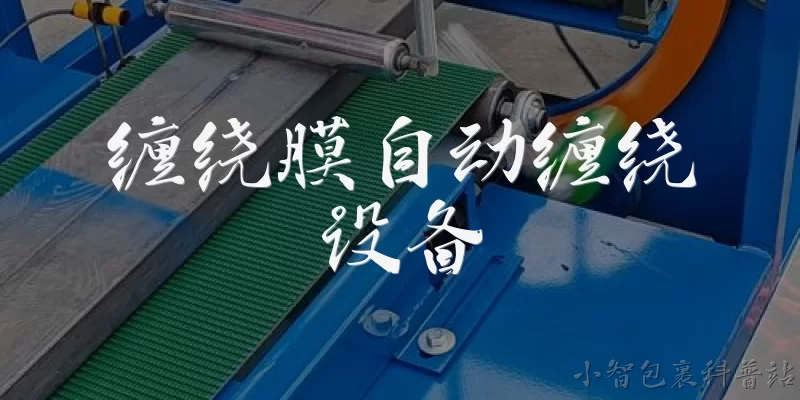
A: Automatic stretch film wrapping equipment is a machine that wraps products or pallets with stretch film without manual intervention. It typically consists of a rotating turntable or a rotating arm, a film carriage that moves vertically, and a control system. The process begins when a pallet is placed on the turntable or conveyed into the wrapping zone. The machine then automatically attaches the film, rotates the load, and moves the film carriage up and down to apply overlapping layers. The stretch film is pre-stretched to increase strength and reduce material usage. Finally, the film is cut and sealed, completing the wrap.
Q: What are the main benefits of using automatic stretch film wrapping equipment?
A: Automatic stretch film wrapping equipment offers significant benefits. It increases productivity by wrapping loads quickly and consistently, often handling 20-40 pallets per hour. It reduces labor costs since no operator is needed during wrapping. The machine ensures uniform wrap quality, improving load stability and reducing product damage during transport. It also optimizes film usage through pre-stretch, cutting material costs by up to 50%. Safety is enhanced as workers avoid repetitive strain injuries. Additionally, it integrates with conveyor systems for fully automated packaging lines, making it ideal for high-volume operations in manufacturing, logistics, and distribution centers.
Q: What types of automatic stretch film wrapping equipment are available?
A: There are several types of automatic stretch film wrapping equipment. Turntable wrappers rotate the load while the film carriage moves vertically; they are common for standard pallets. Rotary arm wrappers keep the load stationary and rotate the film arm around it, suitable for heavy or unstable loads. Ring wrappers use a rotating ring to apply film, ideal for long products. Horizontal wrappers wrap products horizontally, often used for windows, doors, or pipes. Robotic wrappers use articulated arms for flexibility. Inline wrappers integrate with conveyors for continuous flow. Each type suits different load sizes, shapes, and production speeds, so selecting the right one depends on application requirements.
Q: How do you maintain automatic stretch film wrapping equipment for optimal performance?
A: Regular maintenance is key to optimal performance. Daily, check the film carriage, rollers, and cutting blade for wear or debris. Weekly, inspect belts, chains, and gears for tension and lubrication. Monthly, lubricate bearings and moving parts, and check electrical connections and sensors. Quarterly, verify the pre-stretch system and calibration of the wrap cycle. Annually, conduct a thorough inspection of the motor, gearbox, and control system. Keep the machine clean and replace worn parts promptly. Following the manufacturer's manual and scheduling preventive maintenance reduces downtime and extends the equipment's lifespan, ensuring consistent wrapping quality.
Q: What factors should be considered when choosing automatic stretch film wrapping equipment?
A: When choosing automatic stretch film wrapping equipment, consider load characteristics: weight, dimensions, and stability. Production speed requirements determine the type and model. Integration with existing conveyors and plant layout is crucial. Film type and thickness affect the pre-stretch system and wrapping quality. Control features like programmable logic controllers (PLC) and touch screens enhance usability. Safety features such as light curtains and emergency stops are essential. Also evaluate energy consumption, noise levels, and maintenance needs. Budget and return on investment are important, but prioritize reliability and supplier support. A thorough assessment ensures the equipment meets current and future packaging demands.
Dialogue about
Common scenarios of "Automatic stretch film wrapping equipment"
【Equipment Engineer】 Hi Sarah, thanks for meeting with me. I wanted to discuss the automatic stretch film wrapping equipment we're considering for our packaging line.
【Operations Manager】 Absolutely, Mark. I've been researching options. What are the key benefits you see for our operation?
【Equipment Engineer】 The main advantages are increased throughput, consistent wrap quality, and reduced labor costs. Our current manual wrapping is a bottleneck.
【Operations Manager】 I agree. But what about the initial investment? These machines can be pricey. Have you looked at the ROI?
【Equipment Engineer】 Yes, I ran some numbers. With our current volume, we'd break even in about 18 months. After that, it's pure savings.
【Operations Manager】 That sounds promising. What about maintenance and downtime? We can't afford frequent breakdowns.
【Equipment Engineer】 Modern units are quite reliable. They require regular maintenance but typically have low downtime. We can also get a service contract.
【Operations Manager】 Good. What about film usage? I've heard these machines can optimize film consumption.
【Equipment Engineer】 Exactly. They use pre-stretch mechanisms that can stretch film up to 300%, reducing film usage by up to 50% compared to manual wrapping.
【Operations Manager】 That's a significant saving. Can they handle different pallet sizes and weights?
【Equipment Engineer】 Yes, most models are adjustable. We can set parameters for various pallet dimensions and weights, and they automatically adjust wrap patterns.
【Operations Manager】 What about integration with our existing conveyor system?
【Equipment Engineer】 We can get a model that interfaces seamlessly. It will require some modifications to the conveyor, but it's doable.
【Operations Manager】 Who are the leading suppliers we should consider?
【Equipment Engineer】 Lantech, Highlight, and Aetnagroup are top contenders. I recommend we request demos from each.
【Operations Manager】 Great. Can we schedule a trial at their facility with our typical load?
【Equipment Engineer】 Definitely. I'll arrange that. Also, we should check if they offer rental or lease options to reduce upfront costs.
【Operations Manager】 Good idea. Let's also involve the finance team early to explore financing options.
【Equipment Engineer】 Agreed. I'll prepare a detailed proposal with specifications and cost analysis for the next meeting.
【Operations Manager】 Perfect. Let's aim to make a decision by the end of the quarter. Thanks, Mark.