5L liquid filling equipment:What is 5L liquid filling equipment and what types of products can it handle?
Q: What is 5L liquid filling equipment and what types of products can it handle?
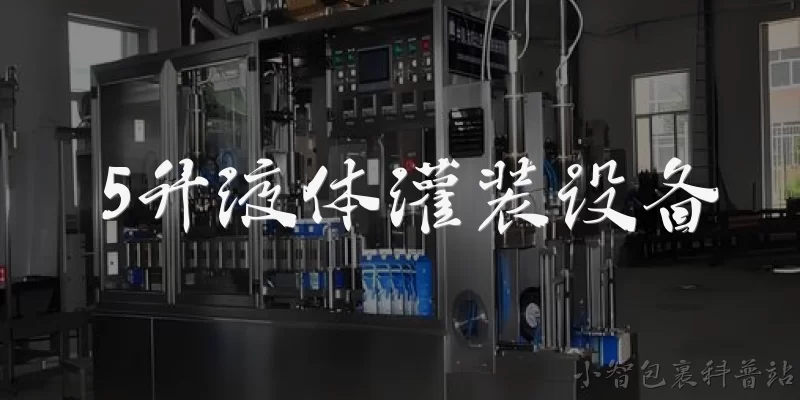
A: 5L liquid filling equipment is machinery designed to fill containers with volumes up to 5 liters, commonly used in food, chemical, pharmaceutical, and agricultural industries. It can handle various liquids including water, juices, oils, detergents, solvents, and liquid fertilizers. These machines typically use piston fillers, flow meters, or weigh-based systems to ensure accurate dosing. Depending on the model, they may support semi-automatic or fully automatic operation, with options for single-head or multi-head filling. The equipment is suited for both small-batch production and high-volume packaging lines, adapting to different container shapes and materials like plastic bottles, jugs, and metal cans.
Q: How does a 5L liquid filling machine ensure filling accuracy and prevent spills?
A: Accuracy in 5L filling equipment is achieved through volumetric piston systems, mass flow meters, or load cells that measure the exact amount dispensed. Servo-driven controls allow precise adjustment of fill volume with tolerances often within ±0.5%. To prevent spills, machines use anti-drip nozzles, bottom-up filling techniques where the nozzle rises as the container fills, and synchronized conveyor systems that position containers correctly. Some models include foam control and splash guards. Automatic sensors detect container presence and fill levels, stopping the flow at the target volume. These features reduce product waste and keep the packaging area clean, which is especially important for viscous or foaming liquids.
Q: What are the main components and working process of an automatic 5L liquid filling line?
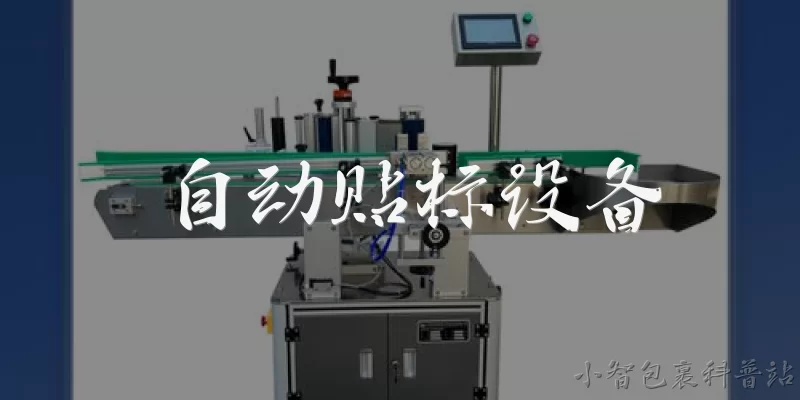
A: An automatic 5L liquid filling line typically includes a container unscrambler, conveyor system, filling station, capping machine, labeling unit, and control panel. The process begins with empty containers being fed onto the conveyor, then indexed to the filling station where nozzles descend and dispense the measured volume using piston or flow-meter technology. After filling, containers move to capping, where caps are applied and torqued, followed by labeling and coding. PLC controls coordinate timing and synchronize each stage. Optional features include rinsing stations, nitrogen flushing for oxygen-sensitive products, and weight-check reject systems. This integrated setup enables continuous, high-speed production with minimal manual intervention.
Q: What maintenance and cleaning requirements apply to 5L liquid filling equipment?
A: Regular maintenance of 5L liquid filling equipment includes daily inspection of nozzles, seals, and tubing for wear or residue buildup, plus lubrication of moving parts according to the manufacturer's schedule. Cleaning depends on the product: food and pharmaceutical applications require CIP (clean-in-place) or COP procedures with approved sanitizers, while chemical lines need rinsing to prevent corrosion. Piston seals and O-rings should be checked weekly and replaced when degraded. Flow meters and load cells require periodic calibration to maintain accuracy. Operators should also verify conveyor alignment and sensor function. Keeping maintenance logs and following a preventive schedule reduces downtime, extends equipment life, and helps comply with hygiene and safety standards.
Q: What factors should businesses consider when selecting 5L liquid filling equipment?
A: When choosing 5L liquid filling equipment, consider production capacity (bottles per hour), liquid characteristics such as viscosity, corrosiveness, and foaming tendency, and container type and size range. Accuracy requirements, automation level (semi-automatic vs. fully automatic), and available floor space also matter. Hygiene standards are crucial for food, beverage, and pharmaceutical use, potentially requiring stainless steel construction and CIP capability. Evaluate compatibility with existing conveyors and capping systems, power and air supply needs, and budget including long-term maintenance costs. Finally, check the manufacturer's support, spare parts availability, and warranty. Matching these factors to your specific product and output goals ensures efficient, reliable filling operations.
Words of experience
Common scenarios of "5L liquid filling equipment"
【Sales Manager】 Hello! Thanks for reaching out about our 5L liquid filling equipment. How can I help you today?
【Customer】 Hi, I'm looking for a filling machine for 5-liter containers, mainly for edible oil. What models do you have?
【Sales Manager】 We have two main options: a semi-automatic piston filler and a fully automatic inline filling system. The semi-automatic is great for small batches, while the automatic one suits higher output. What's your expected production capacity?
【Customer】 We're aiming for around 1,000 bottles per hour. Would the automatic system handle that?
【Sales Manager】 Yes, our automatic 5L filling line can reach 1,200–1,500 bottles per hour depending on viscosity. It includes a conveyor, filling nozzles, and a capping station.
【Customer】 That sounds good. What's the filling accuracy like for oil?
【Sales Manager】 Our piston fillers achieve ±0.5% accuracy for liquids with consistent viscosity. For edible oil, we usually recommend a servo-driven piston for even better precision.
【Customer】 Is the machine compatible with different bottle shapes and neck sizes?
【Sales Manager】 Absolutely. The filling nozzles and conveyor guides are adjustable, and we can customize the changeover parts for your specific bottle dimensions.
【Customer】 What about cleaning and maintenance? Oil can be sticky.
【Sales Manager】 The system is designed with quick-release nozzles and a CIP (clean-in-place) option. Daily cleaning is straightforward, and we provide a maintenance schedule with the manual.
【Customer】 Do you offer installation and training?
【Sales Manager】 Yes, we provide on-site installation and a two-day training session for your operators. We also offer remote support and video guides.
【Customer】 What's the lead time and warranty?
【Sales Manager】 Lead time is typically 4–6 weeks. The warranty covers 12 months for parts and labor, with an option to extend to 24 months.
【Customer】 Can you share a quotation for the automatic line with the servo pistons and CIP?
【Sales Manager】 Of course. I'll send a detailed quote by email within the hour. Could you confirm your email address and the exact bottle dimensions?
【Customer】 Sure, I'll send the dimensions right after this call. My email is purchasing@example.com.
【Sales Manager】 Got it. I'll include the technical specs, layout drawing, and payment terms in the quote. Anything else you'd like to discuss?
【Customer】 One more thing—can the machine handle both 5L and 3L bottles with a quick changeover?
【Sales Manager】 Yes, with a recipe memory in the PLC, changeover between 3L and 5L takes about 10–15 minutes. We can also supply extra format parts.
【Customer】 Perfect. I'll review the quote and get back to you.
【Sales Manager】 Sounds good. I'll follow up tomorrow to answer any questions. Thanks for your interest!