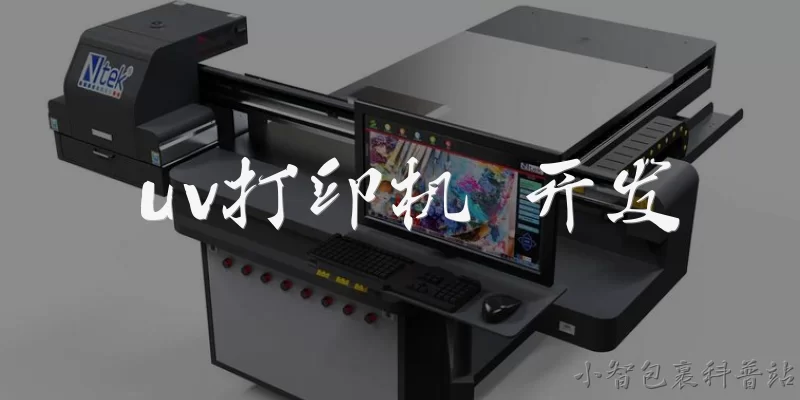
UV roll-to-roll printer:What is a UV roll-to-roll printer and how does it work?
Q: What is a UV roll-to-roll printer and how does it work?
A: A UV roll-to-roll printer is a digital printing system designed to print continuously on flexible substrates supplied from a roll, such as vinyl, film, paper, or canvas. The printer uses ultraviolet-curable inks that are instantly cured by UV light after being jetted onto the material. Unlike traditional solvent or eco-solvent printers, UV inks dry immediately without heat, allowing for faster production and reduced risk of smudging. The roll-to-roll mechanism feeds the substrate from a supply roll through the print zone and onto a take-up roll, enabling high-volume, uninterrupted printing. This technology is ideal for banners, signs, labels, packaging, and wall graphics. It offers excellent adhesion, durability, and scratch resistance, and can print on a wide range of media thicknesses and finishes, making it a versatile solution for commercial and industrial printing applications.
Q: What are the main advantages of using a UV roll-to-roll printer over other printing methods?
A: UV roll-to-roll printers offer several key advantages over solvent, latex, or screen printing. First, UV-curable inks cure instantly, so prints are ready for immediate handling, lamination, or finishing, boosting productivity. Second, the absence of solvent evaporation means lower VOC emissions, making UV printing more environmentally friendly and safer for operators. Third, UV inks adhere well to many substrates, including heat-sensitive materials that would warp in solvent or latex printers. Fourth, the prints exhibit high resistance to fading, scratching, and water, extending outdoor durability. Fifth, roll-to-roll configuration allows continuous, high-speed output with minimal media waste. Finally, UV printers can produce fine details and vibrant colors on a wide range of flexible media, offering exceptional versatility for signs, labels, and packaging. These benefits make UV roll-to-roll printers a cost-effective and high-quality choice for many commercial printing needs.
Q: What types of materials can be printed on a UV roll-to-roll printer?
A: UV roll-to-roll printers can handle a diverse range of flexible roll media, including self-adhesive vinyl, banner materials (PVC, mesh, canvas), backlit film, paper, photo paper, wallpaper, and some textiles. They also print on specialty films like PET, polypropylene, and even thin metals or foils, provided the material is compatible with UV inks and can be fed through the printer. Because UV curing is a low-temperature process, heat-sensitive substrates such as thin plastics and some synthetic papers are printable without deformation. However, materials with poor ink adhesion may require a primer or corona treatment. The printer's roll-to-roll design typically accommodates media widths from a few inches up to several feet and thicknesses ranging from thin films to heavier banners. Always check the printer manufacturer's media compatibility list to ensure optimal print quality and equipment longevity.
Q: How do you maintain a UV roll-to-roll printer for consistent print quality?
A: Maintaining a UV roll-to-roll printer involves regular cleaning and checks to ensure consistent output. Daily, wipe the printhead nozzle plate with a lint-free swab and approved cleaning solution, and run a nozzle check to detect clogs. Clean the UV lamp reflectors and quartz windows to maintain curing intensity. Weekly, inspect and clean the media feed rollers and encoder strip to prevent misalignment, and check ink levels and waste ink containers. Monthly, replace filters, lubricate mechanical rails, and perform a thorough head cleaning or flushing if needed. Also, control the environment: keep dust low and temperature/humidity stable to avoid ink issues. Use manufacturer-recommended inks and media to prevent damage. Finally, follow the printer's maintenance schedule and keep a log. Proper care extends printhead life, reduces downtime, and ensures vibrant, durable prints on every roll.
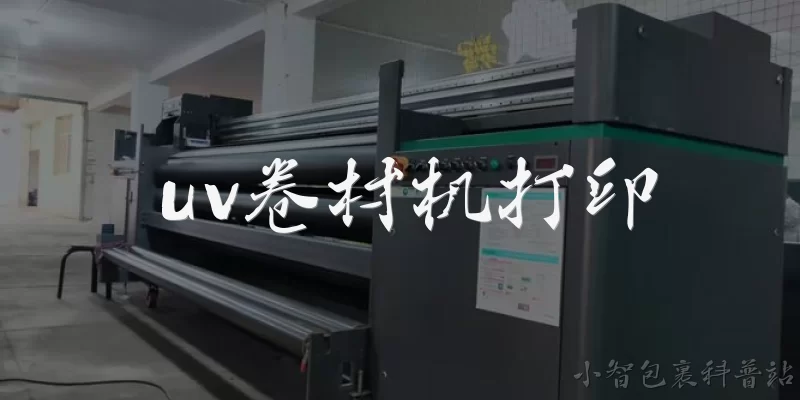
Words of experience
Common scenarios of "UV roll-to-roll printer"
【Sales Representative】 Hello! I'm Sarah from UVPrint Solutions. How can I help you with UV roll-to-roll printers today?
【Customer】 Hi Sarah. I'm Mike, owner of a small printing shop. We're considering upgrading to a UV roll-to-roll printer. Can you tell me what makes them different from traditional roll printers?
【Sales Representative】 Great question, Mike! UV roll-to-roll printers use ultraviolet light to instantly cure inks, allowing printing on heat-sensitive materials like vinyl, canvas, and even some plastics. They also produce more durable, scratch-resistant prints with vibrant colors.
【Customer】 That sounds impressive. What about the cost? Are UV printers significantly more expensive than solvent or eco-solvent printers?
【Sales Representative】 The initial investment is higher, typically starting around $30,000 for entry-level models. However, they can reduce long-term costs because UV inks are more efficient, and you can print on a wider range of substrates, opening new revenue streams.
【Customer】 I see. What about maintenance? Are they high-maintenance?
【Sales Representative】 They require regular maintenance, but it's manageable. Daily printhead cleaning and weekly checks are key. UV printers have fewer clogging issues compared to solvent printers since the ink cures instantly. We also offer service plans.
【Customer】 How about print speed and quality? We need to produce banners and posters quickly without sacrificing quality.
【Sales Representative】 Our mid-range models can print up to 500 square feet per hour at high quality. The UV curing allows for immediate handling and finishing, so you can laminate or cut right after printing. Quality is exceptional with sharp details and vivid colors.
【Customer】 Can they print on both rigid and flexible materials? We sometimes do rigid signs.
【Sales Representative】 UV roll-to-roll printers are primarily for flexible media, but some models can handle thin rigid substrates with optional attachments. For heavy rigid boards, you'd need a flatbed printer. But for most banner and sticker jobs, roll-to-roll is perfect.
【Customer】 What about ink costs? UV ink seems pricey.
【Sales Representative】 UV ink is more expensive per liter, but you use less because it's cured instantly and doesn't evaporate. Also, the durability means less waste from reprints. Many customers find the cost per print is comparable or even lower.
【Customer】 Do they require special ventilation or environmental controls?
【Sales Representative】 UV printers emit less VOC than solvent printers, but proper ventilation is still recommended. Some models have built-in air filtration. You don't need a full HVAC overhaul, just a well-ventilated room.
【Customer】 What about the learning curve for operators? Our staff is used to eco-solvent printers.
【Sales Representative】 The transition is usually smooth. The workflow is similar, but you'll need training on UV-specific settings and maintenance. We provide comprehensive training and support to get your team up to speed quickly.
【Customer】 Can you recommend a specific model for a small business like ours?
【Sales Representative】 Absolutely! Our UVPro 1600 is ideal for small to medium businesses. It's a 1.6m wide printer, handles roll media up to 1.6m, and offers excellent print quality at an affordable price point. I can send you a brochure with specs and pricing.
【Customer】 That would be great. Also, do you offer leasing options?
【Sales Representative】 Yes, we have leasing and financing plans to fit your budget. I'll include that information in the brochure. Let's schedule a demo so you can see it in action. How does next week sound?
【Customer】 Next week works. I'll look out for your email. Thanks, Sarah!